Black Mold?
Don't Take Chances! Call the Top Black
Removal Company in La Mesa and get cleaned up FAST!



Why Choose Us?
- Certified Pros
- Available 24/7/365
- Rapid Response
- Fully Licensed And Insured
- We Work With Your Insurance Company
Call Now (619) 367-6210
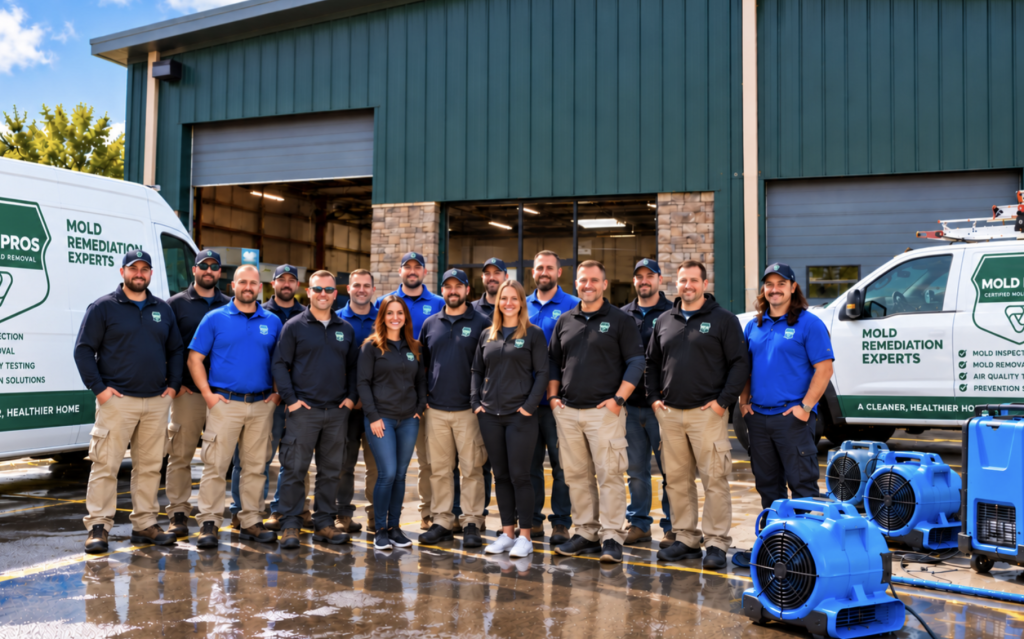
Professional Mold Removal in La Mesa, California
Mold cleanup should begin with the moisture problem, not with a quick spray or coat of paint. We inspect the affected area, protect nearby spaces, and plan removal around the materials involved. Our work serves homes and businesses in La Mesa, including apartments, condos, offices, schools, churches, medical facilities, retail properties, and industrial properties. We are IICRC certified and BBB Registered, and we focus on controlled cleanup that limits the spread of mold dust. If you see visible growth or repeated moisture, we can explain what the cleanup process involves and how to arrange service.
What Moisture Problems Are Common in La Mesa Properties?
In La Mesa properties, mold concerns often trace back to roof leaks, plumbing failures, appliance leaks, bathroom ventilation, or cooling-system condensation. A slow leak inside a wall can wet drywall and framing before staining appears. A clogged condensate line or drip-pan problem can also leave moisture near an HVAC system. Bathroom fans that are missing, undersized, or rarely used allow shower moisture to remain on ceilings and walls. We look for the source because cleaning without controlling moisture leaves the property vulnerable to recurrence.
Property access also affects how we plan the work. Tight rooms, furnished spaces, attic entries, and occupied businesses require careful protection around the work area. We identify affected materials such as drywall, insulation, carpet, subflooring, framing, concrete, and tile. Each material responds differently to cleaning and removal. Our plan accounts for the location, the material, and the path workers need to reach the affected area.
How Does Mold Removal Work From Start to Finish?
We begin by reviewing what you noticed, where moisture occurred, and which areas show damage. The first visit focuses on the visible condition, affected materials, access, and the likely moisture source. We then establish a work plan that separates affected areas from clean areas. Containment means using plastic walls or barriers to help keep mold dust from spreading. We also use appropriate protective equipment and work practices for the conditions present.
HEPA filtration supports the cleanup by capturing fine particles from the work area. A HEPA air scrubber is a machine that filters mold dust from the air while work proceeds. We protect unaffected surfaces and control movement through the property. Porous materials that soak up water, such as drywall, carpet, or insulation, often require careful removal when contamination reaches beyond the surface. Hard materials may be cleaned when their condition and the affected area make cleaning suitable.
Source control remains separate from mold cleanup. A plumber, roofer, HVAC contractor, or other qualified trade may need to correct the leak or equipment problem. We document the condition we observe so the moisture issue receives attention. After affected material is removed or cleaned, we address remaining surfaces using methods suited to those materials. The work area is then cleaned so visible debris and settled dust do not remain.
What’s Included in Mold Cleanup?
Our mold cleanup scope is built around controlling the work area and addressing affected materials. The exact tasks depend on the size of the area, the materials involved, and how far moisture traveled. We explain the work before removal begins so you know which rooms and surfaces are involved. Common elements include the following:
- Work-area containment using plastic barriers to help protect unaffected spaces.
- HEPA air filtration, protective equipment, and controlled removal of affected porous materials.
- Cleaning of appropriate hard surfaces and cleanup of dust and debris within the work area.
Drywall and insulation often need different handling than framing, concrete, or tile. Carpet and subflooring may hold moisture below the visible surface, which affects removal decisions. Attics and crawl spaces also require attention to access, airflow, and surrounding building materials. Commercial work may involve keeping nearby operations separated from the work area. We adjust the work plan to the property rather than treating every room the same way.
What’s Not Included in Mold Cleanup?
Mold cleanup does not repair the moisture source that caused the problem. Roof repairs, plumbing work, appliance repairs, bathroom fan installation, and HVAC repairs are separate source-control needs. We also do not present testing as part of our cleanup service. Independent testing or assessment can be useful when the extent or type of a problem needs separate documentation. For a fuller explanation of warning signs, discovery, and testing considerations, visit our mold warning signs page.
- Roof, plumbing, appliance, HVAC, drainage, or other source repairs.
- Independent mold testing or laboratory identification.
- Unrelated remodeling or finish work outside the affected cleanup area.
Removal and reconstruction are different phases of property work. We focus on containment, affected-material cleanup, removal, and work-area cleaning. Replacing drywall, rebuilding cabinets, repainting, or restoring finished surfaces requires a separate decision after the moisture and mold work is complete. We explain visible boundaries so you can plan for any additional trades without confusing reconstruction with remediation.
Do You Need to Leave During the Work?
Occupancy depends on the work area, the materials involved, and how that area connects to the rest of the property. A contained project in an isolated room presents different access needs than work beside bedrooms, common areas, or active business operations. Children, older adults, pets, and people with breathing concerns should stay away from active work areas. We keep occupants out of the contained zone while removal and HEPA filtration are underway. If a project affects essential living or business space, we explain the access limits before work starts.
Commercial properties often need a work plan that protects staff, visitors, inventory, and normal operations. Offices, schools, churches, medical facilities, and retail spaces may have different traffic patterns and access restrictions. Apartments and condos also require attention to shared hallways, neighboring units, and building access. We use the available property layout to limit unnecessary movement through the work area. The goal is to complete controlled cleanup without spreading dust into unaffected parts of the property.
How Is Mold Cleanup Priced?
Actual mold remediation costs vary based on affected materials, work-area size, containment needs, access, and the moisture source. An inspection is needed before a final scope and price can be provided. A small area of surface growth is not priced the same as contaminated drywall, insulation, carpet, or subflooring. Difficult access can also add steps for protection and removal. We review these conditions before describing the work required.
Project size is only one part of the scope. The moisture source, the depth of affected materials, and the separation needed between clean and affected areas also matter. A vacant property with hidden leaks may require a different plan than an occupied condo with a limited bathroom issue. Commercial spaces can involve larger work zones and more careful scheduling around operations. We keep the scope tied to observed conditions rather than offering a price without seeing the affected area.
If you need help with visible mold or a moisture-related cleanup concern, call (619) 367-6210. We will listen to what you noticed and discuss the affected room, materials, and moisture history. We can explain what the first visit focuses on and what information helps us plan the work. If active water is present, shut off the source if it is safe to do so and keep people away from wet electrical areas. We will then help you understand the cleanup steps that fit your La Mesa property.
Frequently Asked Questions
Can you remove mold from drywall and insulation?
Drywall and insulation are porous materials that can hold moisture and contamination below the surface. When affected material cannot be cleaned reliably, controlled removal is often needed. The amount removed depends on the visible condition, moisture history, and surrounding materials. We protect the remaining area with containment and HEPA filtration during that work.
Does black mold require a different cleanup process?
People commonly use the term black mold for dark-colored growth, but color alone does not identify the species. We do not diagnose species by appearance. Cleanup decisions focus on moisture, affected materials, work-area conditions, and safe removal practices. Independent testing can provide separate documentation when identification or extent needs to be evaluated.
Will cleaning fix mold that keeps returning?
Cleaning alone does not correct an active moisture source. Recurring growth often points to a roof leak, plumbing failure, appliance leak, ventilation problem, or HVAC condensation. Those source repairs are separate from mold cleanup. The area should be kept dry and the underlying moisture problem corrected before restoration is considered complete.
Do you clean both homes and commercial properties?
Yes, our service includes homes and commercial property types such as apartments, condos, offices, schools, churches, medical facilities, retail properties, and industrial properties. Each setting has different access, occupancy, and containment needs. We plan the work around affected rooms, nearby occupants, and building operations. The cleanup methods still center on source awareness, containment, HEPA filtration, and suitable material handling.